The End of Middle Management and the Rise of the New Corporate
Analyzing the CEO’s Call for AI-Driven Workplace Transformation
By
Prof: Aecio D’Silva

AI Maestro
One of my students shared with me an internal memo from their CEO, who heads a prominent online sales corporation. The CEO recently issued a directive that serves both as a foresight and a caution. Addressing thousands of directors, the message was blunt: the traditional role of the middle manager is dead. In its place, a new archetype must emerge: The AI Total Excellence Maestro – Orchestrator.
The Wake Call Memo
“You don’t need middle management when AI can coordinate workflows, track progress, and flag issues in real-time. What you DO need is strategic judgment, creative synthesis, relationship cultivation, and AI orchestration. That’s the new job description, and it doesn’t require an organization. It requires an orchestrator.”
Between the lines, the subtext is chilling for any professional whose value proposition is built on “oversight.” The CEO isn’t just suggesting a change in tools; he is signaling an existential pivot. For those who fail to transition, the organization—the very structure they once managed—will simply dissolve beneath them, replaced by autonomous agents and algorithmic workflows.
Background: The Rise of AI in Corporate Environments
Artificial intelligence has been steadily infiltrating corporate structures, automating repetitive tasks and optimizing workflows. Traditionally, middle management acted as the connective tissue between executive leadership and operational teams, overseeing coordination, monitoring progress, and flagging issues for escalation. These functions, once reliant on human oversight and intuition, are increasingly being handled by sophisticated AI platforms. As organizations seek efficiency and scalability, the role of middle management is being redefined—no longer the managers of people, but the orchestrators of intelligent systems.
AI Maestro – The Death of the ‘Information Bridge’
For a century, middle management served as the human glue of the corporation.
They were the “information bridges” that translated high-level strategy from the C-suite into actionable tasks for the front line. They tracked progress, managed bottlenecks, and synthesized reports. However, the CEO’s memo identifies the central disruption: AI is now a better bridge than any human.
Real-time coordination—once the primary task of a manager—is now a commodity.
When an AI can instantly see that a project in the Singapore office is lagging and automatically reallocate resources or alert the necessary stakeholders, the “status update meeting” becomes an expensive relic of the past. The cause of this shift is the collapse of information asymmetry. When data is transparent, and AI is the primary observer, the “watcher” becomes redundant.
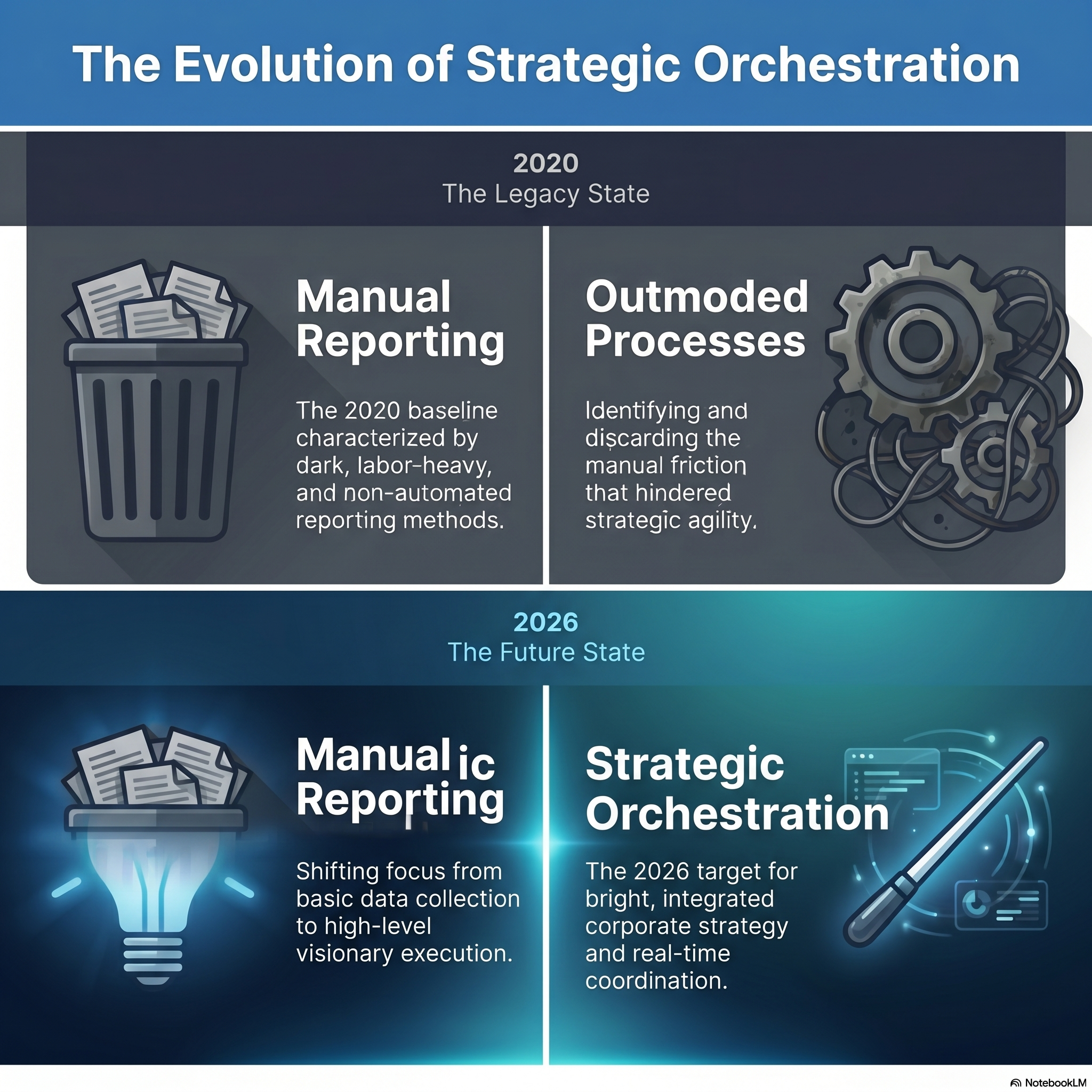
Figure 1: The Skill Inversion – The transition from administrative coordination to high-value strategic synthesis.
Deconstructing the New Job Description
The CEO’s memo outlines four specific pillars that define the “Orchestrator.” To understand the consequences of this shift, we must evaluate what these terms actually mean in a post-management world.
1. Strategic Judgment
If AI can provide the “what” and the “how,” the human must provide the “why” and the “should.” Strategic judgment is the ability to make high-stakes decisions when the data is ambiguous or when the ethical implications are profound. An AI can optimize for profit; an orchestrator optimizes for long-term brand integrity and market evolution.
2. Creative Synthesis
AI is excellent at analyzing existing patterns, but it struggles to combine disparate, unrelated ideas into something truly novel. The maestro-orchestrator is a “connective tissue” specialist, pulling insights from art, psychology, and macro-economics to guide the AI toward innovative frontiers that a purely algorithmic approach would miss.
3. Relationship Cultivation
As the “internal” organization shrinks, the “external” network becomes everything. The CEO notes that the new role doesn’t require an organization, meaning a static hierarchy of subordinates. Instead, it requires the ability to cultivate relationships with partners, high-level talent, and other orchestrators. Soft skills are no longer “soft”; they are the only hard currency left.
4. AI Orchestration
This is the technical heart of the new mandate. Orchestration is not “using” AI; it is designing the ecosystem in which AI agents operate. It is the ability to chain models together, verify their outputs, and ensure that the digital workforce is aligned with the human mission. The orchestrator is the conductor of a digital symphony.
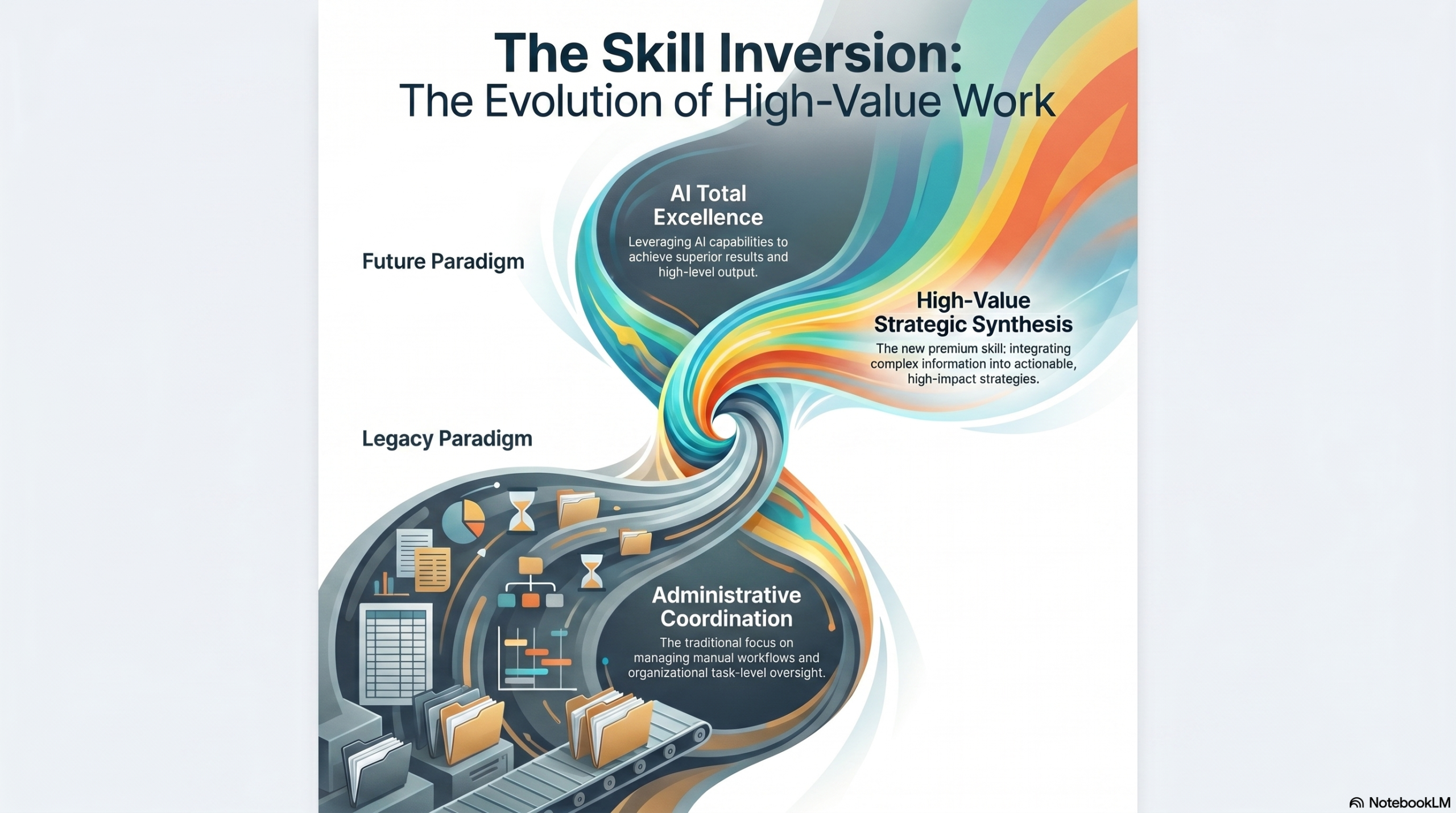
Figure 2: The Orchestrator’s Quadrant – Navigating the intersection of AI integration and strategic complexity.
AI Maestro – The Consequences: A Leaner, Meaner Corporate
The consequences of this transition are radical. We are looking at the “hollowing out” of the corporate middle. For the corporation, this means unprecedented agility and significantly reduced overhead. For the workforce, it means a “K-shaped” recovery of career paths.
The “Upward” Path: Those who master AI orchestration will find themselves with more power than ever before. A single orchestrator, backed by a fleet of AI agents, can accomplish what once took a department of fifty. This is the “God-mode” of professional life, where leverage is limited only by one’s imagination and strategic clarity.
The “Outward” Path: For the thousands of directors who have spent their careers perfecting the art of the PowerPoint update and the performance review, the message is a warning. If your job is to “coordinate,” your job is being automated.
The consequence is a massive displacement of white-collar professionals who lack the technical literacy to orchestrate or the creative depth to synthesize.
Figure 3: Timeline of AI Total Excellence Adoption – The Progression of AI Total Excellence Integration Into Management Roles
The “Orchestrator” Checklist: Are You Endangered?
- Do you spend more than 50% of your day in “status” or “coordination” meetings?
- Is your primary value the ability to “keep people on track”?
- Do you feel uncomfortable directing an AI to write code or analyze a dataset?
- If the answer is ‘Yes,’ your role is currently being mapped for automation.
The Cultural Shift: From Management to Maestros
Perhaps the most profound consequence is cultural. The “manager” was a figure of authority based on position. The “orchestrator” is a figure of authority based on output. In an AI-driven company, you cannot hide behind a large team. Your value is visible in the elegance of the systems you build and the strategic wins you secure.
This creates a high-pressure environment of “radical meritocracy.” The CEO’s note implies that the “organization” was a crutch—a way to manage scale through layers of people. Now that scale can be managed through code, the crutch is gone. The orchestrator stands alone, judged purely on their ability to weave human and machine intelligence into a competitive advantage.
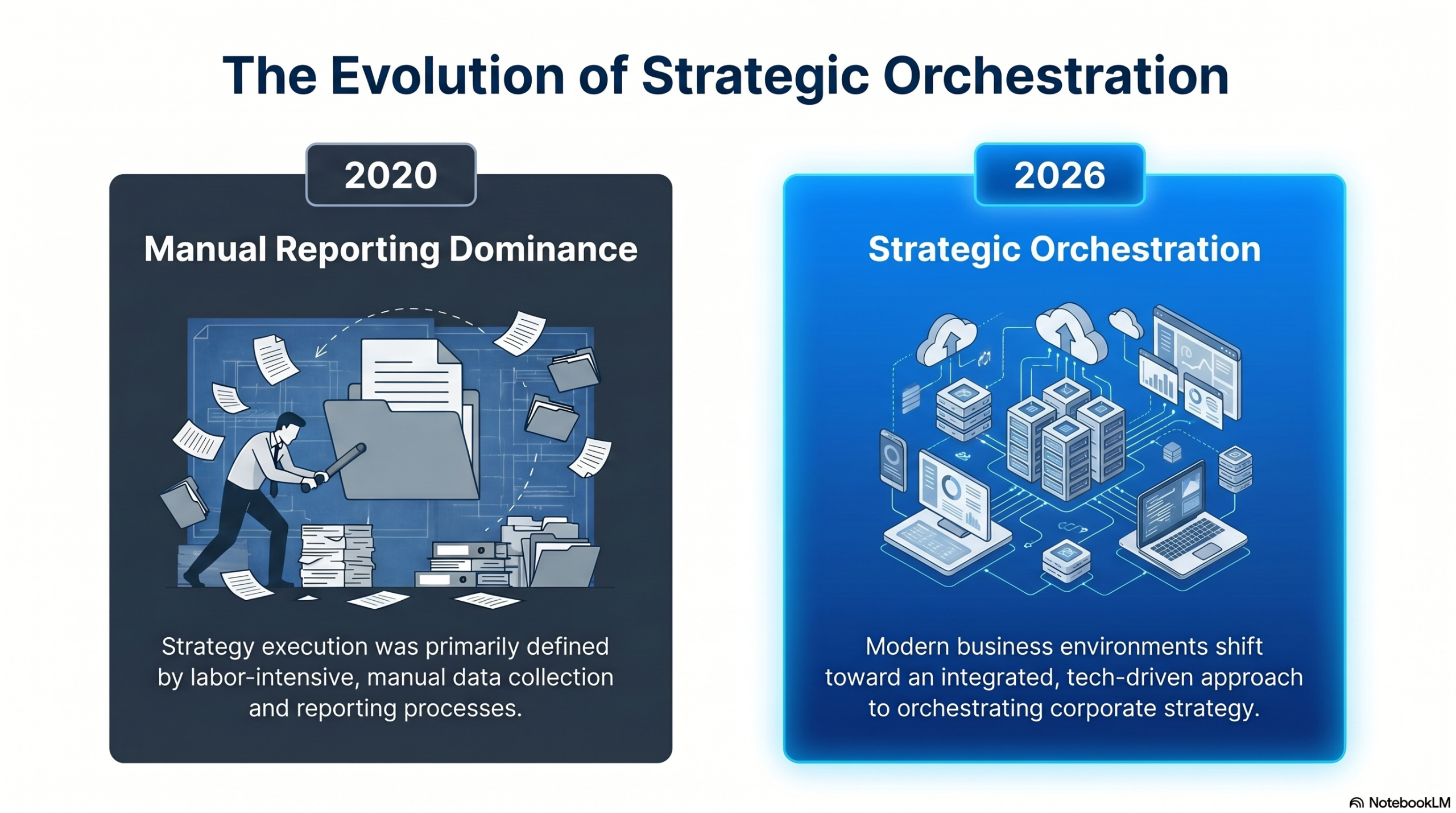
Figure 3: Evolution of Strategic AI Total Excellence Orchestration
Practical Steps: Transitioning into AI Orchestrators
For professionals seeking to navigate this transition, several practical steps can be taken:
- Invest in AI Literacy: Gain a foundational understanding of AI systems, their capabilities, and limitations. Participate in training programs, workshops, and online courses.
- Embrace Total Excellence and Continuous Learning: Stay current with emerging technologies and industry trends. Cultivate a mindset of excellence, curiosity, and adaptability.
- Develop Strategic Thinking: Hone your ability to analyze complex situations, anticipate risks, and make informed decisions that align with organizational goals.
- Foster Collaboration: Build relationships across teams and departments, leveraging both human and AI strengths to achieve optimal outcomes.
- Experiment with AI Tools: Pilot AI-driven platforms for workflow management, progress tracking, and issue resolution. Share learnings and best practices with peers.
- Champion Change: Advocate for a culture of total excellence, innovation, and resilience, supporting colleagues through periods of uncertainty and transition.
By taking these steps, professionals can position themselves as indispensable orchestrators of AI, driving organizational success in the face of disruption.
Conclusion: A Call to Action
The CEO’s message is a clarion call for leaders and professionals to embrace the future of work. AI total excellence orchestration is not a passing trend—it is the new standard for organizational effectiveness. The causes of this shift are multifaceted, rooted in technological innovation, economic imperatives, and strategic necessity. The consequences are profound, impacting job roles, structures, and morale. The message is unmistakable: those who do not adapt face the likelihood of becoming obsolete.
Business leaders must lead by example, fostering environments where learning and innovation are celebrated. Managers and professionals must invest in new skills, embrace change, and become architects of the AI era. The journey may be challenging, but the rewards—organizational agility, creativity, and sustained relevance—are well worth the effort.
AI Maestro – The Ultimatum
The CEO’s message is not a suggestion; it is a survival guide. We are entering the era of the ‘Individual as Enterprise.’ The directors who heed this call will become the architects of the new economy. Those who wait for the
“organization” to save them will find that the organization has already moved on, leaving only a few lines of highly efficient code in their place.
The question for every director today is simple: Are you a manager of people, or a maestro of AI total excellence, innovation, and resilience? The upward or Outward Path of your career depends on the answer.