Analyzing Arizona’s Three Clean Energy Pathways & The Strategic Playbook for Sustainable Leadership
**Prof. Aecio D’Silva, Ph.D.
From Buckeye’s Policy Crossroads to Palo Verde’s Nuclear Electrolysis and SHINe’s Regional Infrastructure: Key Lessons for Executive Decision-Makers in the Green Hydrogen Economy.
Target Audience: Energy Executives, Infrastructure Investors, Policymakers, Sustainability Directors, Utility Planners
Abstract
Arizona has emerged as an empirical testing ground for clean hydrogen deployment across North America, modeling three distinct federal archetypes: private greenfield ventures (Buckeye Liquid H? Hub), utility-integrated baseload decarbonization (Palo Verde Nuclear LTE), and academic-led regional consortia (SHINe). This analytical paper examines how regulatory stringency under Treasury’s Section 45V (additionality, deliverability, hourly matching), water-energy nexus constraints, and infrastructure bankability impact regional scalability. We synthesize operational data, techno-economic considerations, and policy headwinds into actionable strategic intelligence for energy leaders navigating deep decarbonization in arid ecosystems.
Keywords:
Clean Hydrogen | Section 45V Tax Credit | Nuclear-to-Hydrogen (LTE) | Water-Energy Nexus | Salt Cavern Storage | Regional Clean Energy Hubs1. Executive Summary
The global transition toward hydrogen-fueled industrial transport and heavy chemical manufacturing is being stress-tested in the American Southwest. Over the past 12 to 24 months, Arizona transitioned from theoretical project announcements to hard market realities across three core pathways:
-
Private First-Mover Capital: Fortescue’s $550M Buckeye green liquid hydrogen facility highlighted the critical friction between Treasury’s Section 45V rules and desert groundwater limits.
-
Asset Repurposing & Baseload Electrolysis: The Department of Energy (DOE) backed Palo Verde Nuclear Generating Station project demonstrates how low-temperature electrolysis (LTE) unlocks dispatchable hydrogen without requiring new land or variable renewable overbuild.
-
Multi-Jurisdictional Hubs: The Southwest Clean Hydrogen Innovation Network (SHINe) created a lasting collaborative framework uniting ASU, utilities, tribal nations, and logistics corridors despite federal hub grant competition outcomes.
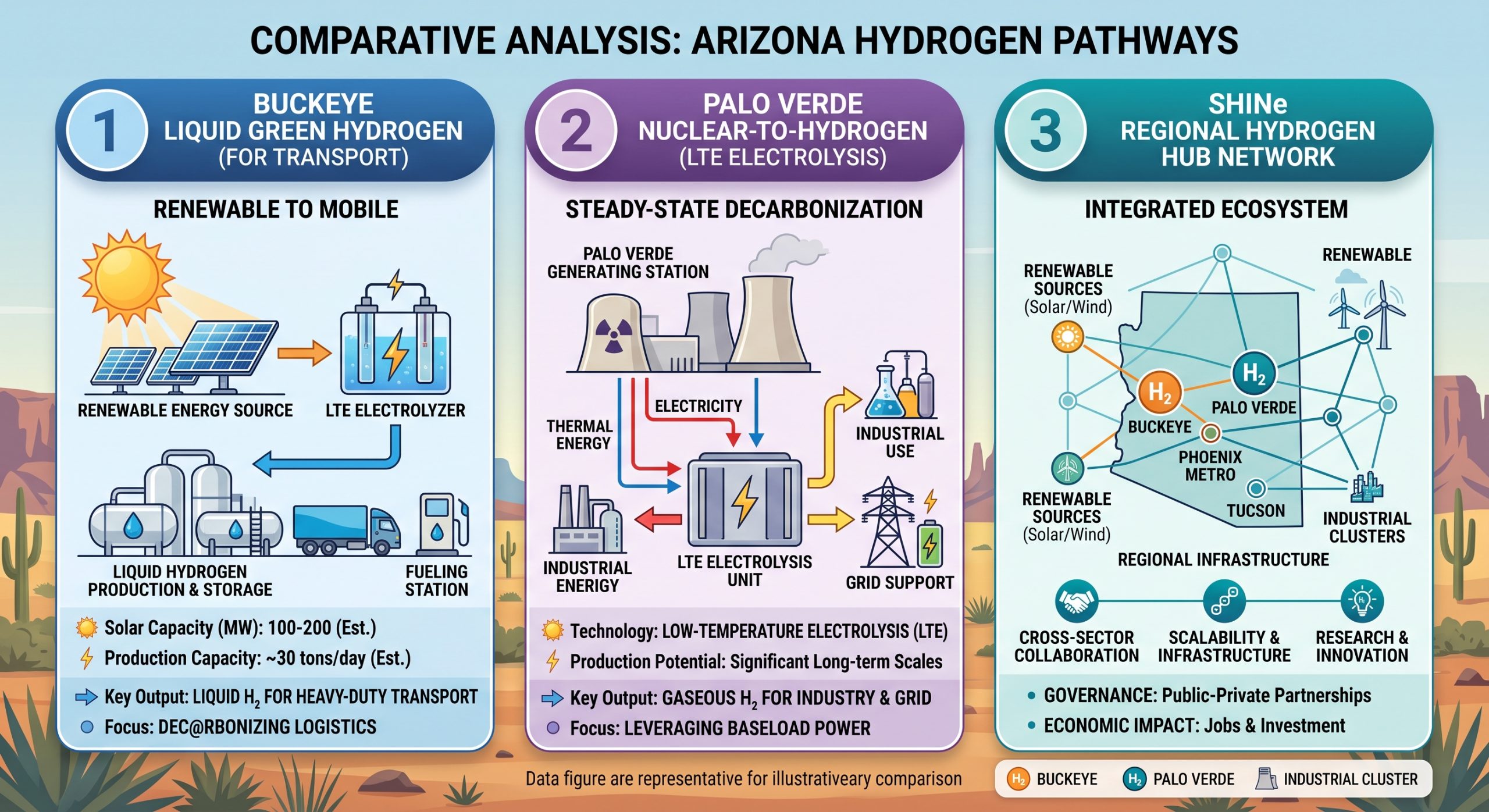
       ??????????????????????????????????????????????????????????
       ?             ARIZONA HYDROGEN TRIFECTA                  ?
       ??????????????????????????????????????????????????????????
                 ?                   ?                  ?
        [1. PRIVATE PATHWAY] [2. NUCLEAR LTE]  [3. REGIONAL HUB]
         Buckeye Liquid H?    Palo Verde Pilot    SHINe Consortium
         (Heavy Transport)    (Grid & Ammonia)    (Storage & Corridor)
                 ?                   ?                  ?
                 ?                   ?                  ?
        45V & Water Friction  Asset Repurposing  Regional Convening
2. Deep Dive: The 3 Arizona Hydrogen Pathways
-
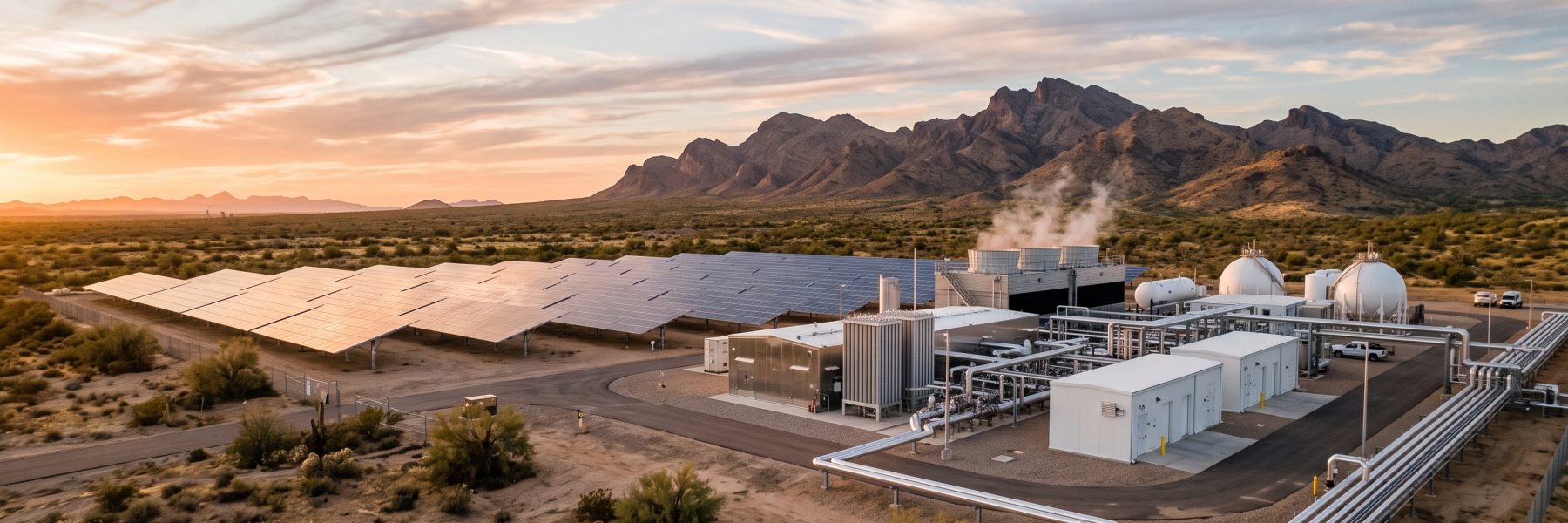
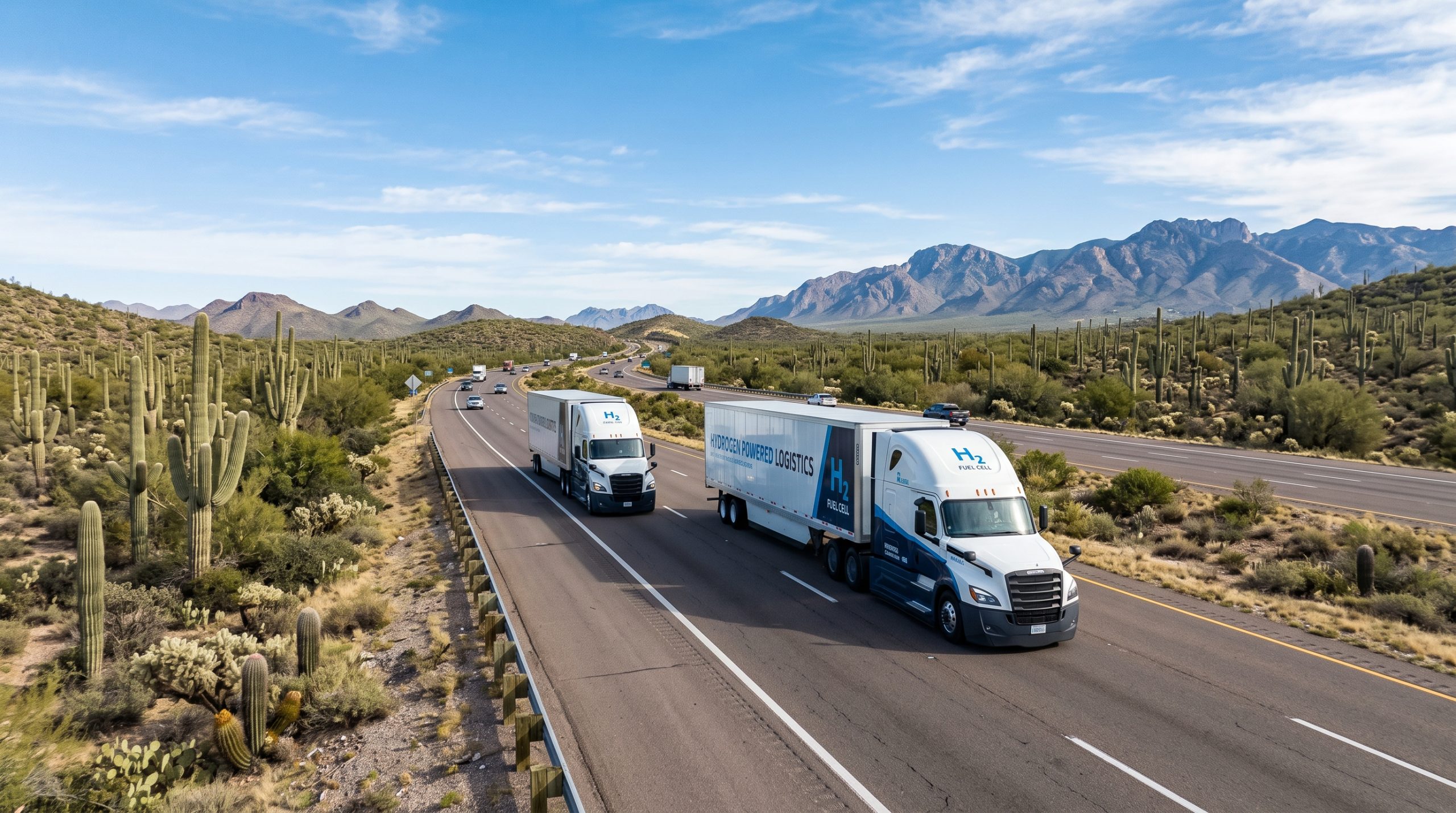
Goal (G): Produce 11,000 metric tons/year of liquid green hydrogen via an 80-MW electrolyzer and liquefaction system on a 158-acre site in Buckeye’s “Sustainable Valley” (off SR-85) to power zero-emission heavy-duty logistics across the I-10 corridor.
-
Execution (E): Originally developed by Nikola as the Phoenix Hydrogen Hub, acquired by Fortescue Future Industries (FFI) for $24M as part of a planned $550M capital expenditure. Broke ground on May 3, 2024.
-
Metrics (M): 80 MW electrolysis capacity; 11,000 tons/year liquid H?; water requirement of ~26–32 million gallons of groundwater annually.
-
Systemic Impact & Leadership Insight (S):
-
The 45V Policy Bottleneck: Fortescue announced a project pause during its July 2025 investor cycle, citing federal policy uncertainties surrounding IRS Section 45V rules—specifically the “Three Pillars” (Hourly Temporal Matching, Geographic Deliverability, and New Incremental Supply).
-
The Water-Energy Nexus: Producing 11,000 tons of green H? in an active management area (AMA) highlighted water sustainability challenges in desert hydrogen production. The site and permits remain ready for future industrial offtakers.
-
Pathway 2: Palo Verde — Nuclear-to-Hydrogen Pilot (Clean H? from Carbon-Free Baseload)
-
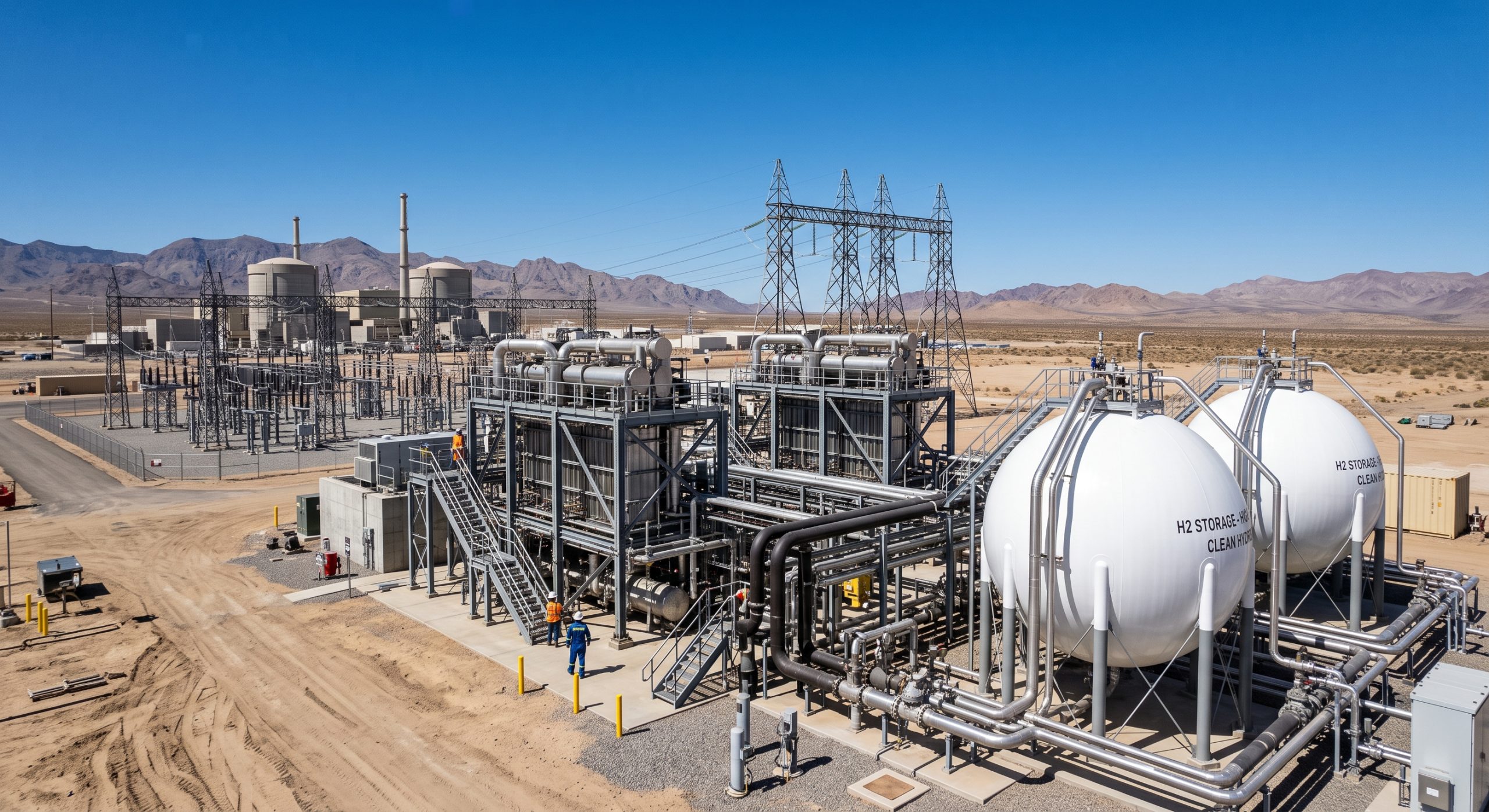
Goal (G): Deploy Low-Temperature Electrolysis (LTE) at the 4 GW Palo Verde Generating Station (the largest single source of carbon-free generation in the US) to monetize off-peak baseload electrons and demonstrate multi-sector decarbonization.
-
Execution (E): Led by PNW Hydrogen LLC with a $20M DOE award ($12M HFTO + $8M Office of Nuclear Energy), alongside Idaho National Laboratory (INL), NREL, NETL, EPRI, Arizona Public Service (APS), and university partners (ASU, UC Irvine).
-
Metrics (M): On-site production with 6 metric tonnes of high-pressure storage; ~200 MWh dispatchable peaking re-electrification capacity; aligned with DOE’s Hydrogen Shot target ($1/kg within 1 decade).
-
Systemic Impact & Leadership Insight (S):
-
Grid Resilience & Arbitrage: Proves that nuclear baseload can dynamically switch between grid dispatch during heat waves and hydrogen production during low-demand pricing hours.
-
Green Ammonia Pipeline: Creates a domestic hydrogen feed for agricultural fertilizers and zero-carbon maritime/aviation fuels without relying solely on variable solar/wind farms.
-
Pathway 3: SHINe — Southwest Clean Hydrogen Innovation Network (Regional Infrastructure Ecosystem)
-
Goal (G): Establish a shared, cross-border hydrogen ecosystem across Arizona, the Navajo Nation, and Nevada, centered on salt cavern geological storage, intermodal heavy-duty transport, and industrial decarbonization.
-
Execution (E): Coordinated by the Center for an Arizona Carbon-Neutral Economy (AzCaNE) at ASU’s Julie Ann Wrigley Global Futures Laboratory, uniting 40+ partners including APS, Salt River Project (SRP), Tucson Electric Power (TEP), Southwest Gas, Northern Arizona University, and tribal nations.
-
Metrics (M): Regional coverage across 3 jurisdictions; multi-gigawatt pipeline offtake mapping; salt cavern bulk storage capacity targeting multi-week grid redundancy.
-
Systemic Impact & Leadership Insight (S):
-
Unfunded Alliance Agility: Although DOE passed over SHINe during the initial $7B Regional Clean Hydrogen Hubs (H2Hubs) selections in October 2023, the consortium maintained its coalition, redirecting focus toward workforce development, regional standards, and Justice40 community equity.
-
3. Comparative Strategic Matrix
| Metric / Dimension | Buckeye Hub (Fortescue) | Palo Verde Pilot (DOE/APS) | SHINe Alliance (ASU/Consortium) |
| Primary Feedstock | Grid / Solar Power + Electrolysis | Nuclear Baseload (4 GW facility) | Diversified (Solar, Nuclear, RNG) |
| Offtake Target | Heavy-Duty Class-8 Fuel Cell Trucks | Grid Balancing, Peaking, Chemicals/NH? | Regional Freight, Salt Caverns, Industry |
| Water Strategy | Groundwater Allocation (~30M gal/yr) | Reclaimed / On-site cooling cycle | Multi-basin conservation framework |
| Current Status | Permitted & paused asset (for offtaker) | Engineering / LTE Demonstration | Active non-profit regional coalition |
| Strategic Advantage | Shovel-ready logistics site on I-10 | High capacity factor (90%+ uptime) | Broad stakeholder & tribal consensus |
4. Key Takeaways for Energy Executives & Investors
-
De-Risking Policy Exposure: Bankability hinges on regulatory clarity. Projects must structure flexible offtake contracts that survive revisions in Treasury 45V guidance.
-
Repurposing Existing Infrastructure Wins: Retrofitting existing generation assets (such as nuclear and combined-cycle plants) minimizes interconnection queues and permitting friction.
-
Addressing the Water-Energy Nexus: In the arid Southwest, water availability is a critical operational factor alongside electrical Levelized Cost of Energy (LCOE).
-
Harnessing Regional Alliances: Regional coalitions like SHINe provide project developers with essential permitting support, community trust, and cross-state distribution infrastructure.
5. Conclusion & Actionable Call to Action (CTA)
Arizona’s clean hydrogen journey demonstrates that building a clean energy economy requires balancing engineering potential with financial, regulatory, and natural resource realities.
6 – Strategic Next Steps for Decision-Makers:
-
Track the Buckeye Asset: Monitor secondary market acquisitions and revised 45V compliance models for the shovel-ready site.
-
Follow Palo Verde’s LTE Empirical Data: Evaluate nuclear-to-ammonia techno-economic benchmarks as a hedge against grid curtailment.
-
Partner with Regional Hubs: Engage with SHINe and academic coalitions to access localized supply chain maps and salt cavern geological data.
Join the Discussion: How is your organization preparing for 45V compliance and water-constrained industrial development? Share your perspective in the comments.
In Belo Jardim, student of the Grupo Escolar Bento Américo and Prof. Donino Gymnasium, and student of the teachers: Dulce Ramos, Alba Leite, Dona Conceição Moura, Dona Olindina Mergulhão, Estefânia Moura Bezerra, and Maria Luiza
References
-
U.S. Department of Energy (DOE) – Hydrogen and Fuel Cell Technologies Office: H2@Scale Initiatives & Nuclear Hydrogen Demonstrations at Palo Verde Generating Station. [Energy.gov/eere/fuelcells]
-
Center for an Arizona Carbon-Neutral Economy (AzCaNE): Southwest Clean Hydrogen Innovation Network (SHINe) Regional Roadmap and Governance. Julie Ann Wrigley Global Futures Laboratory, Arizona State University.
-
Internal Revenue Service (IRS) & U.S. Department of the Treasury: Notice of Proposed Rulemaking: Section 45V Clean Hydrogen Production Tax Credit Guidance. (Federal Register).
-
Electric Power Research Institute (EPRI): Low-Temperature Electrolysis Integration at Nuclear Facilities: Techno-Economic and Safety Assessments.
-
Arizona Commerce Authority (ACA): Clean Energy and Hydrogen Infrastructure Development Report across the Arizona Logistics Corridors.
In Belo Jardim, student of the Grupo Escolar Bento Américo and Prof. Donino Gymnasium, and student of the teachers: Dulce Ramos, Alba Leite, Dona Conceição Moura, Dona Olindina Mergulhão, Estefânia Moura Bezerra, and Maria Luiza