Summary: Discover how modern V-II-TES-RAI-Datacenters, critical infrastructure, combine biological data, molecular modeling, and virtual testing to speed up cancer treatment discovery
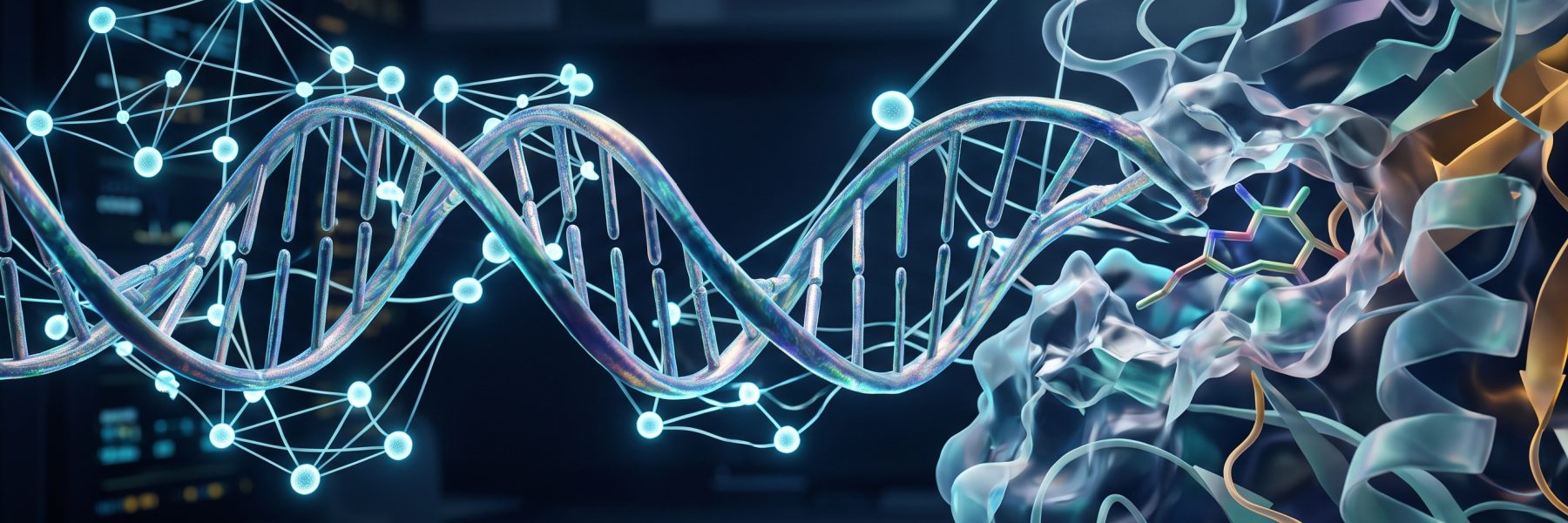
An RAI-Datacenter (Research AI Data Center) is a highly specialized technology critical infrastructure designed specifically to train, run, and manage large Artificial Intelligence and Machine Learning (ML) models applied to the biomedical (BioMed) field. Unlike a traditional data center, which focuses on hosting websites or corporate systems (running on conventional CPUs), the RAi-Datacenter functions essentially as a “predictive intelligence factory” driven by biological data, structured with thousands of high-performance accelerators (such as GPUs and TPUs).
Modern cancer research does not lack information; instead, it struggles to combine millions of scattered clues. Over the past two decades, advanced testing, DNA profiling, and molecular mapping have generated vast amounts of biological data. However, turning these findings into working medicines remains very slow. More than 90% of new cancer drugs tested in early human trials fail to reach patients, mostly because they turn out to be ineffective against complex human tumors.
This high failure rate happens because biological information is often stored in disconnected places. Genetic changes do not act alone; a single DNA change can cause completely different reactions depending on the cell’s environment and surrounding signals. Traditional research methods—which rely on testing thousands of random chemicals against isolated proteins in test tubes—frequently fail to predict how a target will behave inside a living, evolving tumor.
Read more