Stop Fragmented AI Projects! Learn the Step-by-Step Strategy to Coordinate, Scale, and Democratize AI Across Your Entire Organization
Prof. Aécio D’Silva, Ph.D
AquaUniversity
Your AI Projects Are Failing to Scale. Here’s Why.
Your company is investing heavily in Artificial Intelligence—pilots are launching, data scientists are busy, and excitement is high. Yet, you notice a troubling pattern: solutions developed in one department don’t help another, standards are inconsistent, and projects often stall before they deliver real, company-wide value. You are suffering from Fragmented AI Syndrome. The antidote isn’t more software; it’s a dedicated, centralized leadership structure: the AI Center of Total Excellence Leadership-Management (AI-CTE). This isn’t just an IT department—it’s the strategic engine that ensures every AI initiative drives maximum value, ethical integrity, and total excellence across your business.
Category: Artificial Intelligence and Precision Agriculture
The Rise of AI Factories: NVIDIA’s Bold Vision for Manufacturing Intelligence at Scale
From Data Overload to Actionable Insights – How These Supercharged Facilities Are Powering the AI Revolution with Renewable
Prof. Aécio D’Silva, Ph.D
AquaUniversity
AI Factories: Ignite Your Imagination for the Future of AI
Picture a colossal, humming fortress where raw data streams in like rivers and emerges as razor-sharp intelligence—decisions, predictions, innovations that shape our world. Welcome to the AI factory, NVIDIA’s game-changing invention that’s turning sci-fi into reality. These aren’t your grandpa’s data centers; they’re high-octane powerhouses optimized for the relentless demands of AI, churning out models that drive everything from self-driving cars to personalized medicine. In an era where AI is the new electricity, AI factories are the generators, and with renewables like solar and wind fueling them, they’re as green as they are groundbreaking. Ready to step inside?
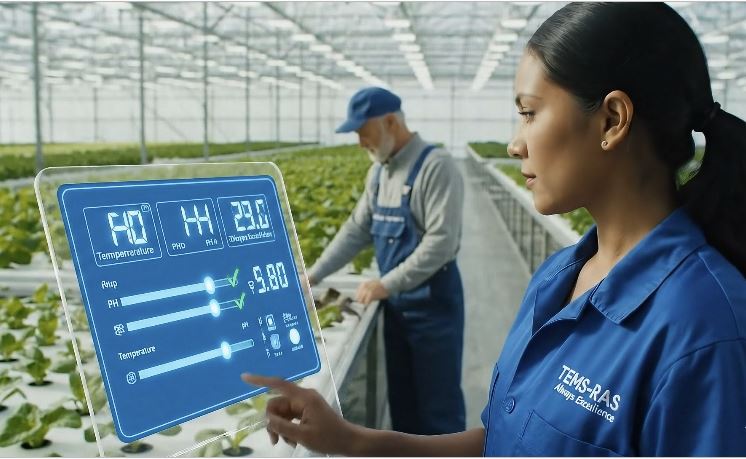
The Efficiency Revolution: Integrating Total Excellence Management Systems in AI-RAS-Powered Recirculated Aquaculture Systems
How TEMS and AI are Transforming RAS Sustainable Fish Farming for the Future, Today
Prof. Aécio D’Silva, Ph.D
AquaUniversity
RAS-Aquaculture—a fancy word for fish farming—might not sound as exciting as electric cars or space travel, but it’s one of the most important industries for feeding a growing global population. Traditional fish farms, while innovative in their own right, face tough challenges: water pollution, disease outbreaks, the excessive use of resources, and unpredictable yields. Enter the world of Recirculating Aquaculture Systems (RAS), powered by artificial intelligence (AI), and revolutionized by Total Excellence Management Systems (TEMS). For any level learners ready to dive into the future of science, sustainability, and technology, this is where efficiency meets innovation.
The Rise of Robo-Farmers and Aqua-Bots: Are Humanoid Robots Helpers Next?
AI-powered humanoid robots are no longer science fiction. But how soon will they be tending our fields and fish farms?
Prof. Aécio D’Silva, Ph.D
AquaUniversity
From Factory Floors to Farm Fields?
Humanoid robots – machines designed to look and move like us, often powered by sophisticated Artificial Intelligence (AI) – are becoming a reality. We’re seeing them in labs, and even in some service industries. But could these human-like helpers soon be planting our crops and caring for our fish? While specialized robots and AI are already revolutionizing farming and fish farming, the idea of humanoid robots joining the workforce raises fascinating questions. Let’s dig in!
6G Internet: The Future of Wireless Connectivity
6G: The Next Frontier in Wireless Technology – Faster Speeds, AI-Driven Networks, and a Fully Connected World
Prof. Aécio D’Silva, Ph.D
AquaUniversity
The Future of Connectivity is Here! While 5G is still rolling out, the tech world is already preparing for 6G—a network that promises 100x faster speeds, near-zero latency, AI-powered automation, and global coverage. From holographic communication to brain-computer interfaces, 6G will transform industries and everyday life. But when will it arrive? And how will it surpass 5G? Let’s dive into everything you need to know about 6G!
The Potential and Challenges of Applying Human-AI Collaborative Intelligence
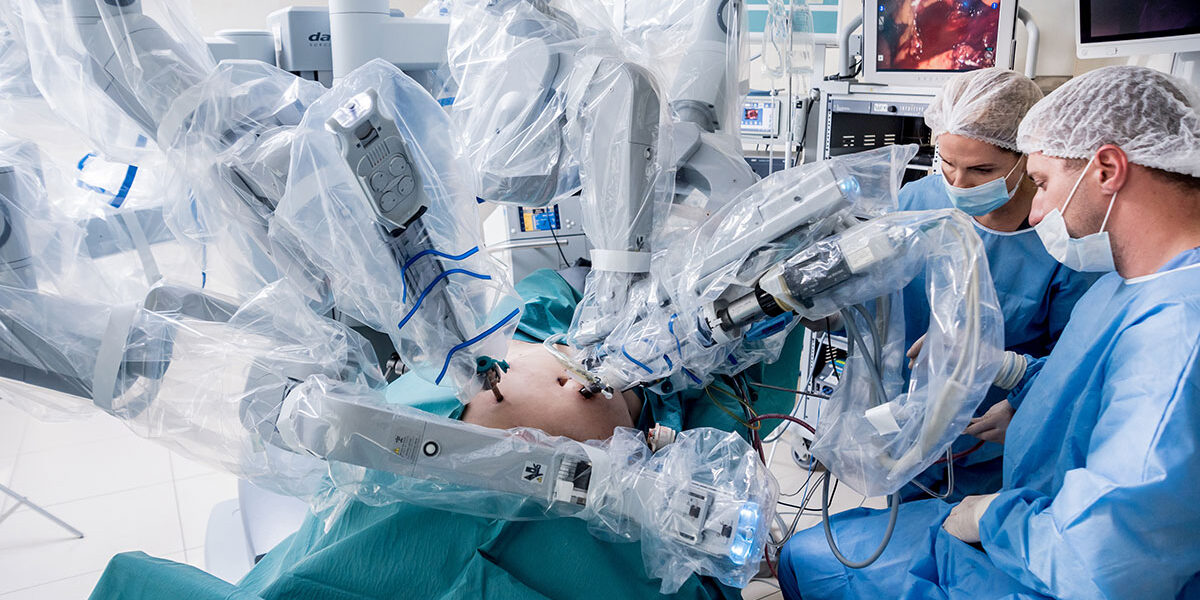
How Humans and Machines Can Work Together To Solve Complex Problems and Create Value
Prof. Aécio D’Silva, Ph.D
In many of my collaborative intelligence leadership publications, I’ve underscored the benefits of collaborative intelligence as a pathway to attaining total excellence. Beginning with the truth that “we” collectively possess greater intelligence than “I” alone. Presently, we’re faced with a more intricate and demanding task: exploring the potential and hurdles of human-AI collaboration in practical settings. Human and AI collaborative intelligence is the idea that humans and artificial intelligence (AI) systems can combine their strengths and capabilities to achieve better outcomes than either could alone. It is based on the premise that humans and machines have complementary skills and abilities and that by working together, they can enhance each other’s performance and learning. In this blog post, we will explore what human and AI collaborative intelligence is, how it works, and what are some of the potential benefits and challenges of this approach.
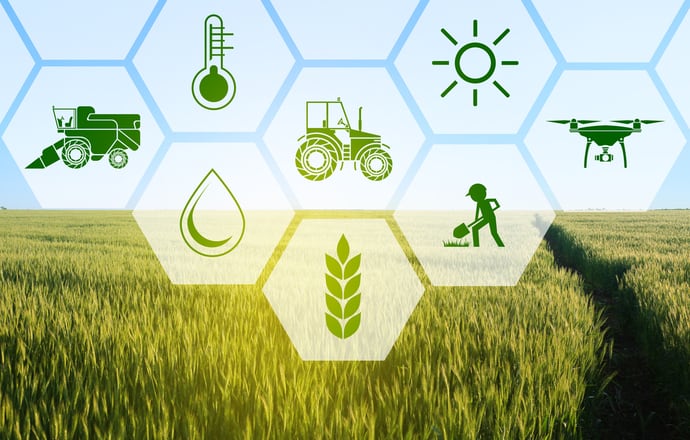
Revolutionizing Food Production: The synergistic combination of Artificial Intelligence and Precision Agriculture
How AI is Transforming the way we grow, harvest, and distribute food
By Aécio D’Silva, PhD(1), Fabiano Moura, MSc(2)
With the world population projected to reach 9.7 billion by 2050, the demand for food is set to increase by 60%. To meet this demand, the agriculture industry needs to produce more food with fewer resources. This is where the intersection of Artificial Intelligence (AI) and Precision Agriculture comes in.